🔦
Power Outage Basics
Keep essential devices charged, food safe, and your home comfortable when electricity is unavailable.
Get started →
Peace of mind starts with a simple plan. Learn how to prepare your home and family for everyday disruptions and unexpected emergencies—one manageable step at a time.
Start PreparingView the ChecklistYou don't need a bunker or a huge budget. A few thoughtful choices today can make a real difference when the lights go out or severe weather arrives.
Choose a family meeting place, emergency contacts, and a way to receive local alerts.
Start with water, shelf-stable food, lighting, medications, and first-aid supplies.
Review supplies, test devices, and update your plan as your household changes.
Practical starting points for the situations families face most often.
Keep essential devices charged, food safe, and your home comfortable when electricity is unavailable.
Get started →Know where to shelter, how to monitor alerts, and what to do before severe weather hits.
Get started →Build a realistic supply kit for your household, including children, pets, and special needs.
Get started →For SafeNComfy, these are the 10 most important problems families should prepare for during an emergency. The goal is to keep everyone safe, warm, fed, informed, and as comfortable as possible until normal conditions return.
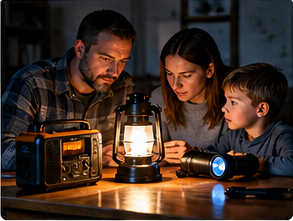
No lights, refrigeration, heating or cooling, and difficulty charging phones. Families need flashlights, battery banks, and backup power options.

Water service may stop or become unsafe. Store at least one gallon per person per day for a minimum of three days, preferably longer.
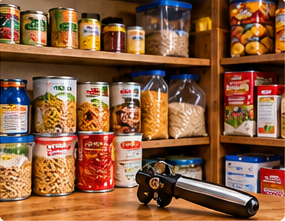
Stores may close, deliveries may stop, and refrigerated food can spoil. Keep shelf-stable meals and a manual can opener.
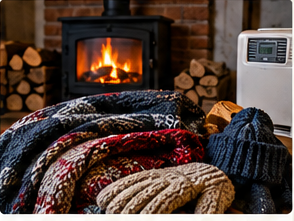
Extreme cold or heat can become dangerous quickly, especially for children and older adults. Prepare blankets, warm clothing, and a plan for reaching a safe-temperature location.
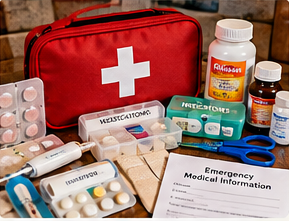
Injuries, illness, and interrupted access to prescriptions can become serious. Keep first-aid supplies, necessary medications, and emergency medical information accessible.
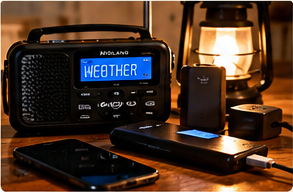
Cell towers, internet, and phone service may fail. Have a battery-powered weather radio, charged power banks, and a family communication plan.
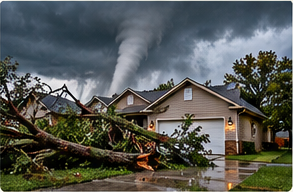
Tornadoes, storms, flooding, and fallen trees can make a home unsafe. Identify shelter locations, secure essential supplies, and know when to evacuate.
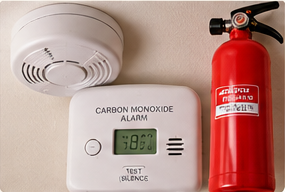
Candles, generators, and improvised heating can create deadly risks. Use battery-powered lighting, working alarms, and generators outdoors at least 20 feet from the house.
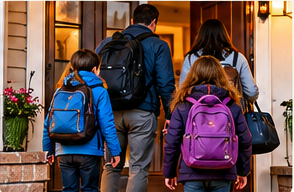
Families may need to leave quickly because of fire, flooding, or other dangers. Prepare go-bags, important documents, transportation arrangements, and a meeting place.

Emergencies are especially difficult for children, seniors, and pets. Familiar routines, comforting supplies, entertainment, and a clear family plan help reduce stress.
Check off what you already have. Aim for several days of supplies, then expand as your needs and budget allow.
Start with the basics and buy only what makes sense for your household. Product reviews and shopping links can be added as the site grows.
Safe water storage, easy-to-prepare foods, and a simple rotation system.
Reliable flashlights, batteries, power banks, and safe backup power planning.
First aid, warmth, sanitation, and practical items for everyday resilience.
SafeNComfy is built around one simple belief: being ready for emergencies should help you feel calmer, safer, and more comfortable—not afraid. We're creating approachable guides and checklists to help households take useful steps at their own pace.
Explore the guides, make a plan, and return as new resources are added.