Family Emergency Guide · Issue 4
Loss of Heating or Air Conditioning: 5 Best Ways to Prepare Your Family
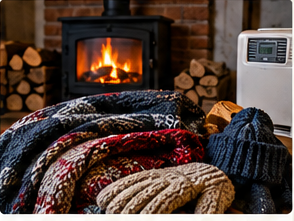
Extreme indoor temperatures can become dangerous faster than many families expect, particularly for young children and older adults. Here are five practical steps to help everyone stay safe and as comfortable as possible.
1. Know your indoor temperature
Keep an easy-to-read indoor thermometer where everyone can see it. Check local alerts for extreme heat or cold, and do not wait for discomfort to become a medical emergency. Watch for confusion, dizziness, unusual sleepiness, or other signs someone is not coping with the temperature. People with chronic conditions and infants may need earlier relocation. Set a family decision point for leaving the house if conditions become unsafe.
2. Stay warmer without unsafe heaters
Wear several loose layers, socks, hats, and blankets. Close curtains after dark and block drafts where safe, but never block needed ventilation. Gather in one comfortable room if appropriate. Use only heaters designed for indoor use and follow clearance and ventilation instructions. Never heat your home with a gas oven, outdoor grill, or camp stove. Carbon monoxide alarms must remain working whenever fuel-burning equipment is present.
3. Reduce heat safely
Close sun-facing curtains during the hottest part of the day, drink water regularly, and wear light clothing. A battery-powered fan can improve comfort, but fans alone may not prevent heat illness in very high temperatures. Cool showers or damp cloths can help when water is available. Check on vulnerable family members frequently and seek air-conditioned shelter if the house becomes dangerously hot. Never leave anyone in a parked vehicle.
4. Prepare one comfort kit
Keep spare blankets, dry socks, seasonal clothing, water, snacks, medication, and a flashlight together. A small battery pack can help power certain fans or charge phones, but it is not a substitute for safe heating or cooling. Check manufacturer limits before using any device. Store comfort items for children and pets too. Knowing exactly where the supplies are can reduce stress when the house suddenly goes dark.
5. Identify a safe place to go
Choose at least two options outside your home: a relative, public warming or cooling center, library, or community shelter. Write down addresses and transportation options. Keep a go-bag ready in case you must leave quickly. If someone relies on electrically powered medical equipment, arrange a backup plan with their care team before an outage. When local officials issue evacuation or shelter guidance, follow it promptly.