Family Emergency Guide · Issue 7
Severe Weather and Home Damage: 5 Best Ways to Prepare Your Family
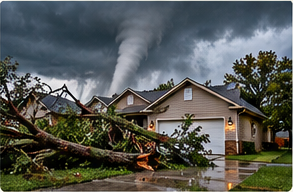
Storms, flooding, and falling trees can change conditions quickly. Preparing your home and shelter plan makes a difference. Here are five practical steps to help everyone stay safe and as comfortable as possible.
1. Know the hazards where you live
Review local risks such as tornadoes, hurricanes, flooding, winter storms, or wildfire. Sign up for local emergency alerts and learn the difference between a watch and a warning. Identify evacuation zones and flood-prone routes. Keep a battery-powered radio for updates during outages. Discuss the risks calmly with your family and decide which warnings mean you should shelter immediately or leave. Never rely on one alert source alone.
2. Choose the safest shelter location
For tornadoes, use a basement or small interior room on the lowest level, away from windows, following local guidance. For floods, move to higher ground and never enter rising water. Every hazard calls for a different response, so write separate plans. Keep shoes, flashlights, helmets if appropriate, and essential supplies near the shelter location. Practice getting everyone there, including pets, without running or confusion.
3. Reduce preventable damage
Clear gutters and drains when safe, secure loose outdoor items, and trim hazardous trees using qualified help. Know how to shut off utilities if officials or the utility instruct you to do so. Photograph important possessions and store insurance documents securely. Avoid climbing onto roofs or working near power lines during storms. Small maintenance tasks before storm season can reduce the likelihood of damage and make recovery easier.
4. Pack a stay-at-home storm kit
Include drinking water, shelf-stable food, medications, first aid, a flashlight, radio, chargers, hygiene items, and comfort supplies. Add protective footwear and work gloves for after the storm, but do not enter damaged buildings until they are declared safe. Keep the kit in a place you can reach without crossing a dangerous area. Replace batteries and expired items seasonally. Make sure children know where supplies are stored.
5. Know when to leave
Follow evacuation orders and never drive through flooded roads. Identify two routes and a destination outside the hazard area. Keep your vehicle fueled or charged when a storm is approaching, and include pet carriers and medications in your plan. If a road is blocked or a building is unstable, turn around and find a safer option. Your family's safety matters more than protecting possessions.