Family Emergency Guide · Issue 9
Evacuation and Transportation Problems: 5 Best Ways to Prepare Your Family
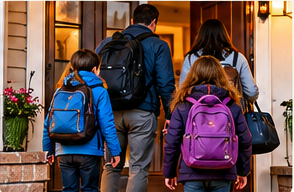
An evacuation is easier when your family already knows what to grab, where to go, and how to reconnect. Here are five practical steps to help everyone stay safe and as comfortable as possible.
1. Pack a go-bag for each person
Keep a lightweight bag with water, snacks, medications, a flashlight, spare clothing, hygiene items, and essential documents. Adapt each bag for age and mobility. Include diapers or infant formula where needed. Check that the bag can be carried comfortably; an overloaded backpack slows you down. Store bags near an exit without blocking it. Review contents each season and update children's clothing as they grow.
2. Protect essential documents
Store copies of identification, insurance information, prescriptions, emergency contacts, and important records in a waterproof pouch. Keep digital copies in a secure location if appropriate. Do not delay a life-saving evacuation to collect paperwork. Include a small amount of cash in manageable bills because electronic payments may not work. Tell another trusted adult where documents are kept so they can help if you are unavailable.
3. Plan two routes and destinations
Choose a primary destination and a backup, such as a relative's home or a designated shelter. Review multiple routes and avoid roads known to flood. Keep a paper map because phone navigation may fail. Follow official evacuation directions even if your usual route looks faster. Consider how you would travel without your own car and identify neighbors or local assistance programs ahead of time.
4. Prepare children and pets
Give children a simple explanation of where the family will meet and who will help them. Put contact details in their bags. Pack pet food, leashes, carriers, medications, and vaccination records as appropriate. Not all shelters accept pets, so research options before an emergency. Practice loading everyone into the vehicle calmly. Familiar blankets, small toys, and treats can make an unfamiliar place less stressful.
5. Keep the departure checklist short
Write a one-page checklist: people, pets, medications, phones, keys, go-bags, and documents. If there is time and it is safe, follow official instructions about utilities and locking up. Do not remain behind to complete a checklist when danger is immediate. Once outside the hazard area, check in with your out-of-town contact and avoid sharing unverified information. Practice once so everyone knows their role.