Family Emergency Guide · Issue 2
Safe Drinking Water: 5 Best Ways to Prepare Your Family
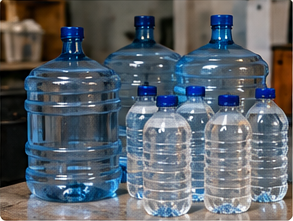
When taps stop running or a boil-water notice appears, your family's first priority is a dependable source of safe water. Here are five practical steps to help everyone stay safe and as comfortable as possible.
1. Store enough drinking water
Plan on at least one gallon per person per day for drinking and basic sanitation, for at least three days. More is wise when storage space allows, especially in hot weather or when someone is pregnant, nursing, or ill. Use commercially bottled water or clean, food-grade containers. Label storage dates and keep water in a cool place away from chemicals and direct sun. Include a separate supply for pets, and make sure every family member knows where it is kept.
2. Learn when water needs treatment
Clear-looking water is not necessarily safe. Follow local boil-water or do-not-use notices exactly. Boiling can kill many germs but does not remove chemical contamination. A household filter may improve taste or remove certain organisms, but only if its label states what it treats; no single filter solves every problem. Keep printed treatment instructions and use the correct method for the situation. When authorities say water is chemically contaminated, use a different safe source.
3. Make sanitation possible
An interruption affects more than drinking. Set aside water for handwashing, cleaning essential utensils, and flushing when appropriate. Keep soap, hand sanitizer, disposable wipes, and heavy-duty trash bags in your kit. Never use water suspected of containing chemicals to wash food or brush teeth. Separate clearly labeled nonpotable water from drinking water so nobody accidentally consumes it. A simple sanitation station helps prevent illness when normal routines are disrupted.
4. Protect your stored supply
Inspect containers for leaks and damaged seals. Store them off hot garage floors when possible, and avoid containers previously used for fuel, cleaners, or other chemicals. Rotate commercially bottled water according to its packaging and replace home-filled supplies on a regular schedule. If a storm is expected, fill clean containers before service fails. Never assume rainwater or floodwater is safe to drink without appropriate treatment and confirmation.
5. Create a water pickup plan
Identify a nearby distribution point, store, or trusted friend outside the affected area before you need one. Keep sturdy containers you can carry safely; a gallon weighs over eight pounds. Check official alerts for pickup hours and safety instructions. Families with infants, medical needs, or limited mobility should plan extra support. Practice one short drill: locate the water, calculate your household's daily need, and decide who would collect more.