Family Emergency Guide · Issue 8
Fire and Carbon Monoxide Hazards: 5 Best Ways to Prepare Your Family
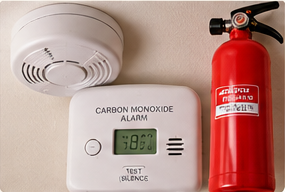
Power outages and emergency heating can introduce fire and carbon monoxide dangers. Prevention starts with a few reliable safeguards. Here are five practical steps to help everyone stay safe and as comfortable as possible.
1. Install and test alarms
Put smoke alarms on every level of your home, inside bedrooms, and outside sleeping areas according to local codes. Install carbon monoxide alarms near sleeping areas and where required. Test alarms regularly and replace batteries or units according to manufacturer instructions. Choose listed products from reputable suppliers. Carbon monoxide has no smell, so you cannot rely on your senses to detect it. If an alarm sounds, follow its instructions and seek fresh air.
2. Use flashlights instead of candles
Battery-powered LED lanterns and flashlights provide light without an open flame. Keep them in bedrooms, near exits, and in your emergency kit. Avoid overloaded outlets and damaged extension cords when power returns. Do not cover electrical equipment with blankets or clothing. If candles are unavoidable, keep them away from anything combustible and never leave them unattended. For households with children or pets, flame-free lighting is the safer everyday choice.
3. Operate generators outdoors only
Fuel-powered generators must be placed outdoors at least 20 feet from windows, doors, and vents, with exhaust pointed away from the home. Never use one inside a garage, basement, or covered porch. Keep equipment dry without enclosing it, and use appropriate outdoor-rated cords. Do not connect a generator directly to household wiring unless a qualified professional installs the proper transfer equipment. Store fuel according to local safety rules.
4. Keep fire-control tools ready
Place a suitable fire extinguisher where adults can reach it, and learn how and when to use it. A small extinguisher is only for a small, contained fire with a clear exit behind you. If flames spread, smoke increases, or you are unsure, leave immediately and call emergency services. Teach children not to hide during a fire. Check that exit paths remain clear and doors and windows open properly.
5. Practice a family escape plan
Draw two exits from each room where possible and choose an outdoor meeting point. Practice escaping in daylight and at night. Everyone should know to stay outside once they have escaped. If a carbon monoxide alarm sounds or symptoms such as headache, dizziness, or nausea occur, get everyone into fresh air and contact emergency services. Never reenter until authorities say it is safe.